To be clear I’m mainly referring to African countries, though there are others too. Any country that isn’t presently industrialised will be prevented from developing their own industrial capacity by their Chinese competition (assuming the prices are correctly fixed). In general I think it’s bad because the lack of internationally dispersed manufacturing ownership contributes to unequal power relations between nations (i.e. imperialism and neocolonialism). A highly protected world-factory in China seems to present a viable model for world hegemony that could replace the financialist model of the United States. Both are bad.
I think they will also have to subsidise or otherwise incentivise manufacturing in their own countries to develop it but like I said their labour costs are lower than in China so they have some competitive advantage there already. I agree it’s bad that the capacity is not more distributed but I don’t believe that China’s internal subsidies will prevent any country from doing this, only post industrial countries which already have the money to buy large amounts of Chinese exports.
I do understand that, but that’s just life. If countries don’t take a long term view and build up their own capacity, but instead just buy the cheapest stuff right now, that won’t be ideal for them. But the solution isn’t to try to dictate other countries’ domestic economic policy, that can’t possibly work. Even if China changes its policy on this matter those countries would still have to spend the exact same amount of money to build their own manufacturing base. Tariff imports a little bit if you have to, but most importantly put that money into actually building domestic capacity for the most important things. This is just the USA trying to put off doing that because the neoliberals are addicted to sucking everyone else dry through finance capitalism and manufacturing isn’t as profitable as tech-IP rent seeking.


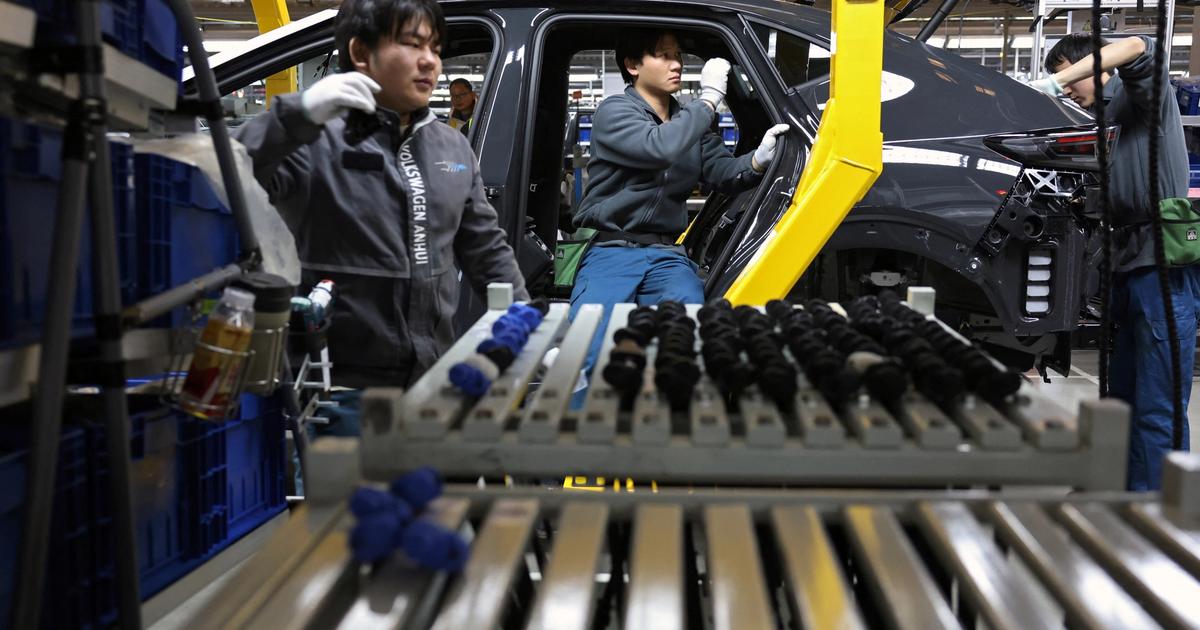
To be clear I’m mainly referring to African countries, though there are others too. Any country that isn’t presently industrialised will be prevented from developing their own industrial capacity by their Chinese competition (assuming the prices are correctly fixed). In general I think it’s bad because the lack of internationally dispersed manufacturing ownership contributes to unequal power relations between nations (i.e. imperialism and neocolonialism). A highly protected world-factory in China seems to present a viable model for world hegemony that could replace the financialist model of the United States. Both are bad.
I think they will also have to subsidise or otherwise incentivise manufacturing in their own countries to develop it but like I said their labour costs are lower than in China so they have some competitive advantage there already. I agree it’s bad that the capacity is not more distributed but I don’t believe that China’s internal subsidies will prevent any country from doing this, only post industrial countries which already have the money to buy large amounts of Chinese exports.
I think you underestimate just how effective economy of scale is. Labour is also a relatively small portion of manufacturing costs.
I do understand that, but that’s just life. If countries don’t take a long term view and build up their own capacity, but instead just buy the cheapest stuff right now, that won’t be ideal for them. But the solution isn’t to try to dictate other countries’ domestic economic policy, that can’t possibly work. Even if China changes its policy on this matter those countries would still have to spend the exact same amount of money to build their own manufacturing base. Tariff imports a little bit if you have to, but most importantly put that money into actually building domestic capacity for the most important things. This is just the USA trying to put off doing that because the neoliberals are addicted to sucking everyone else dry through finance capitalism and manufacturing isn’t as profitable as tech-IP rent seeking.